

Best Time to Visit Bali: Weather, Seasons & Travel Tips
Family Nest Team / August 25, 2026
Best Time to Visit Bali: Weather, Seasons & Travel Tips
Setting up a trip to Indonesia's most beloved island is an exciting way to kick off your vacation planning. Bali stands out as a magnificent tropical destination, delivering incredible experiences for all types of tourists, from exploring ancient Balinese temples to unwinding on picturesque beaches. Because this vibrant hotspot sits right near the equator, its weather conditions shift significantly depending on the calendar. Relying on a comprehensive weather guide is critical for mapping out a successful holiday

Whether you are hoping to leave behind your hectic daily schedule to relax by the ocean or venture into the lush green nature, comprehending the local climate is the key to making smart decisions. This handy travel guide provides all the necessary details to help you figure out exactly when to pack your luggage for an unforgettable tropical escape.
Understanding Bali's Seasons
The island possesses a classic equatorial profile, which guarantees that it stays consistently warm and humid throughout the year. You will not find the usual four seasons, like spring or autumn, in this part of the world. Instead, the local climate is split into two primary phases: the dry and rainy seasons.
Average daytime temperatures typically hover between 28°C and 32°C, and the sea remains incredibly pleasant for swimming regardless of the month. The biggest contrast between these two times of the year is simply the frequency of rainfall and the fluctuating humidity in the air.
Bali Weather by Month: What to Expect Throughout the Year
To make your trip preparation as smooth as possible, let's break down the Bali weather by month:
- January to March. These are historically the wettest months. You should prepare for regular showers, heavy humidity, and frequently overcast skies, although bright sunshine still makes an appearance. March also features Nyepi, the Balinese Day of Silence, bringing an extraordinarily unique cultural experience.
- April to May. The atmosphere turns wonderfully pleasant as the intense rain finally stops. The air feels much fresher, and the island's landscape is exceptionally green and vibrant.
- June to August. This block represents the absolute peak of the dry season. Tourists can expect brilliant blue skies, lower humidity levels, and cool ocean breezes that make the tropical heat feel wonderfully comfortable.
- September to October. The days are mostly dominated by clear skies, but you will notice the humidity slowly creeping back up as the wet season gets closer.
- November to December. The rain makes its return, usually dropping as brief but heavy afternoon showers. Despite the wet conditions, December remains incredibly busy because of the global holiday season.
As clearly shown, the island's weather conditions transition naturally from wet to dry and back over a twelve-month span. While this monthly overview is fantastic for initial vacation planning, digging a little deeper into the specific highlights of the two main seasons will make selecting your final dates a breeze.
Dry Season in Bali (April to October): Pros and Cons
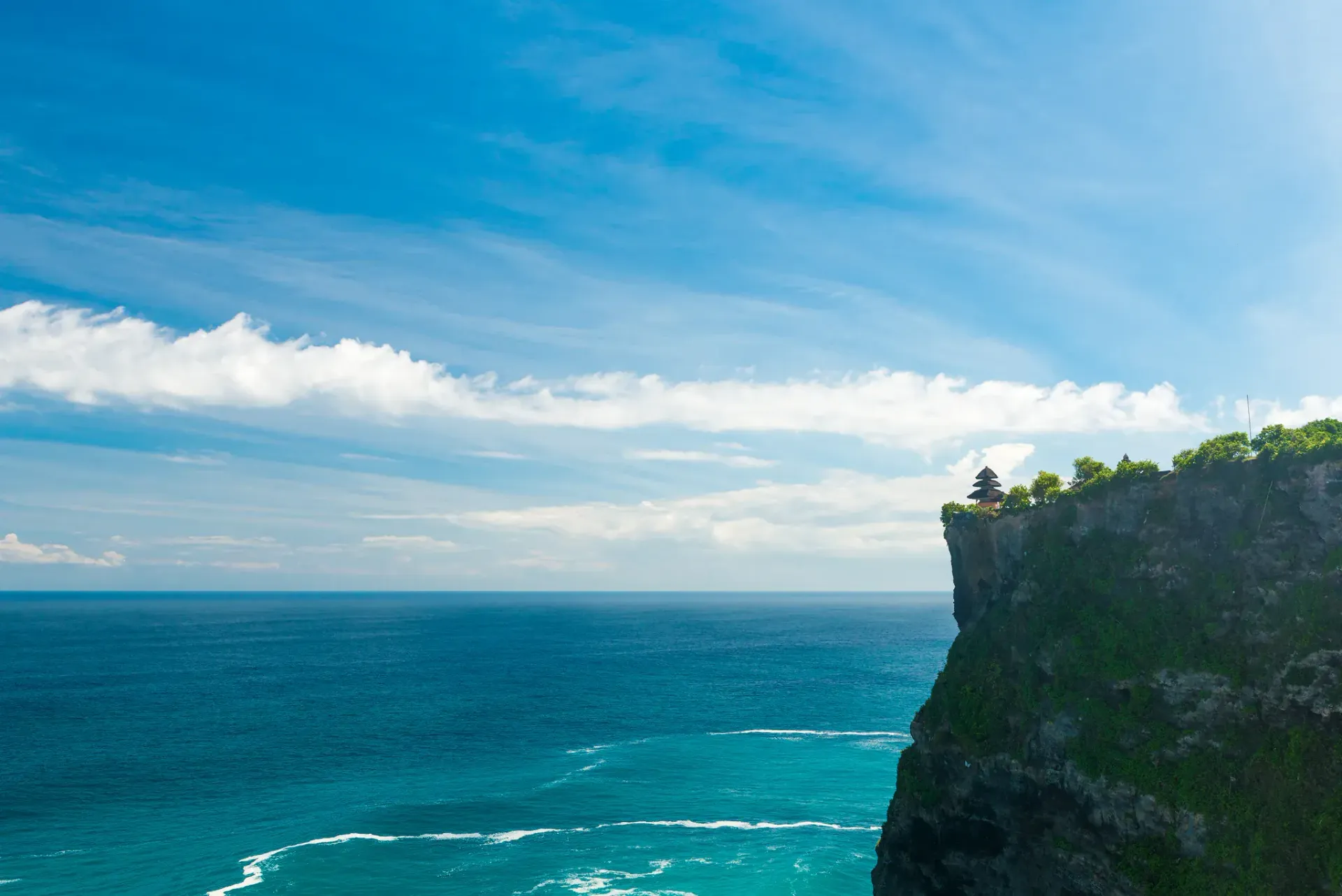
A large portion of global visitors view the dry season as the ultimate window for flying to Indonesia. The highly predictable sunshine takes all the stress out of structuring your daily activities. However, much like any specific travel period, these months come with their own distinct advantages and potential downsides.
Keep the following elements in mind if you plan to visit during the drier half of the year:
- Excellent outdoor conditions. You will experience nearly constant sunshine and clear skies, offering the absolute best environment for temple exploring, nature hiking, or simply chilling by the ocean without the threat of sudden rain.
- Fascinating local culture. An array of vibrant Balinese festivals and traditional ceremonies happen during these dry months, presenting travelers with an amazing opportunity to dive deep into local customs.
- Larger crowds and higher prices. Because the climate is so dependable, this is the most active period for tourists. You must be prepared for busier attractions and premium rates for both flights and accommodation.
Even though the dry season pulls in a massive number of visitors, finding a serene getaway is completely doable. By picking a smart location and booking thoughtfully designed properties, you can effortlessly avoid the chaotic tourist hubs and savor your trip in total peace.
Rainy Season in Bali (November to March): Is It Worth Visiting?
Countless travelers worry that the rainy season might ruin their plans, but the reality is completely different. Experiencing a tropical wet season does not mean enduring endless rain from dawn until dusk.
Usually, you are treated to bright, sunny mornings that eventually give way to quick, dramatic showers later in the afternoon or at night. The rain serves to rejuvenate the environment, turning the local rice terraces and dense jungles into vivid, eye-catching shades of green. If you are focused on traveling on a budget, this stretch is an incredible time to uncover huge discounts on luxury villas and hotels. Furthermore, the streets become much quieter, making the island feel significantly more relaxed.
Best Time to Visit Bali
Pinpointing the very best month to visit relies heavily on what you personally want out of your trip. If you demand guaranteed clear skies and refreshing evening breezes, August is simply spectacular.
Conversely, figuring out when to visit Bali with family usually points toward the highly recommended shoulder season — specifically May, June, and September. During these particular calendar slots, the weather is delightful, the sea is calm, and the overwhelming peak season crowds have either not shown up yet or have already packed up and left. This dynamic creates a remarkably balanced and highly pleasant experience for parents and kids equally.
Best Months for Surfing, Beaches, and Outdoor Activities
Anytime your route relies heavily on being outside, picking the right timing is absolutely essential. For fans of soft sand, the dry season ensures spotless beaches and exceptional water clarity, making it the perfect timeframe for diving around Nusa Penida. If you are eager to conquer Mount Batur for a famous sunrise view, scheduling your hike between May and September guarantees the safest and most visible trails.

When figuring out the best time to visit Bali for surfing, the correct choice depends entirely on which coastline you target. The dry season brings phenomenal waves to the western shores, making coastal villages like Canggu, Seminyak, and Padang Padang incredibly famous among surfers. Alternatively, when the wet season rolls in, the wind directions shift, turning eastern spots such as Sanur and Nusa Dua into the ultimate playgrounds for surfing.
Peak Season vs Low Season in Bali: Crowds, Prices, and Availability
Understanding the contrast between the peak and low seasons can protect your wallet and eliminate a lot of travel anxiety. The peak season aligns perfectly with the dry summer months of July and August, as well as the bustling December holiday rush. In contrast, the low season lands squarely in the middle of the wet months, spanning from January to March.
Before you finalize your bookings, consider these helpful travel tips:
- Confirm reservations early during peak times. If your journey takes place in July, August, or late December, booking your flights and favored resorts months ahead of time is absolutely essential to secure availability.
- Hunt down low-season deals. Organizing a trip between February and April unlocks access to massive price drops on premium accommodation, turning a lavish tropical lifestyle into a very low-budget reality.
- Aim for the shoulder season. Setting up your vacation for May or September delivers the ultimate compromise — you are rewarded with beautiful weather, smaller crowds, and highly attractive prices.
Choosing the proper time of year guarantees that your getaway matches your exact desires, whether that means lively oceanfront parties or a secluded, stress-free family sanctuary. Once your dates are locked in, selecting the perfect neighborhood is the final piece of the puzzle.
Why Uluwatu Is a Great Place to Stay Year-Round
While central Ubud is famous for its dense rainforests and East Bali is known for tranquil black-sand shores, South Bali carries a very distinct appeal. Uluwatu is widely recognized as an exceptional destination to visit throughout the year. Geographically speaking, this southern peninsula enjoys its very own microclimate. It captures considerably less rainfall than the central districts, meaning you are guaranteed to see many more sunny days here, even in the middle of the wet season.
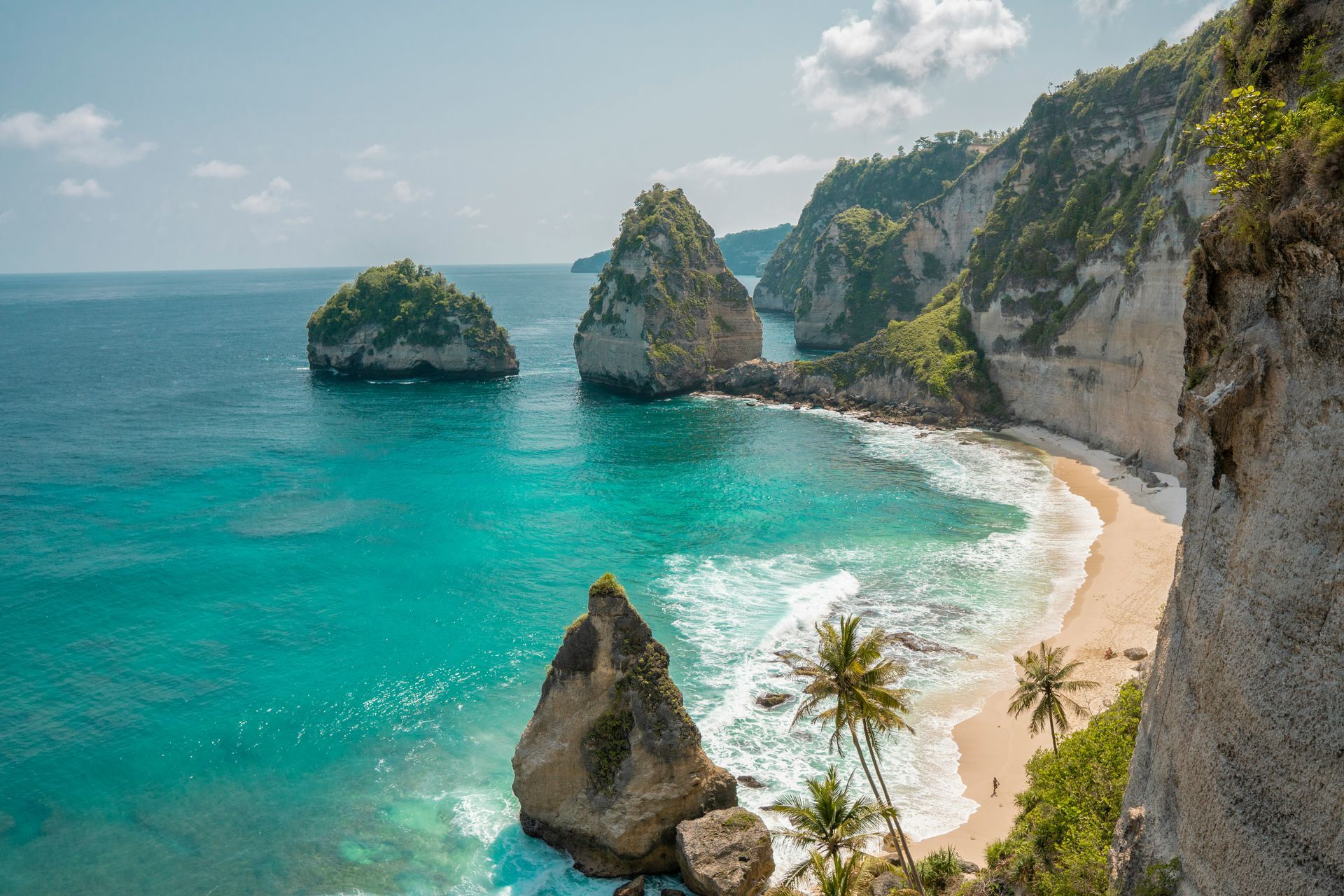
Uluwatu brilliantly combines striking limestone cliffs, spectacular beaches, and outstanding modern conveniences. Rather than settling for standard hotels or sharing common areas in guest houses, modern travelers and families increasingly prefer private serviced villa resorts in this vibrant neighborhood. These remarkable resort ecosystems are specifically designed to erase all daily stress. Parents can fully relax in massive, comfortable villas while the kids enjoy huge kids clubs, take part in creative eco-workshops, or play in safe, shallow public pools. Complete with on-site dining options, helpful nanny services, and convenient beach shuttles, this location delivers absolutely everything required for a flawless, unforgettable holiday.
At the end of the day, there is no bad time to visit this magnificent tropical destination — your decision simply comes down to what you want to experience. Whether you are looking for the buzzing energy of the peak season, the quiet, lush beauty of the rainy months, or the brilliant balance of the shoulder season, Bali is always ready to embrace you. By matching your personal travel style with the island's weather conditions and selecting a top-tier accommodation, you are setting yourself up for a truly spectacular island adventure.